
Wichita, KS
Storm Damage Repair
Fast storm damage repair for Wichita siding, trim, and exterior panels. We help you restore damage quickly and protect your home from further issues.
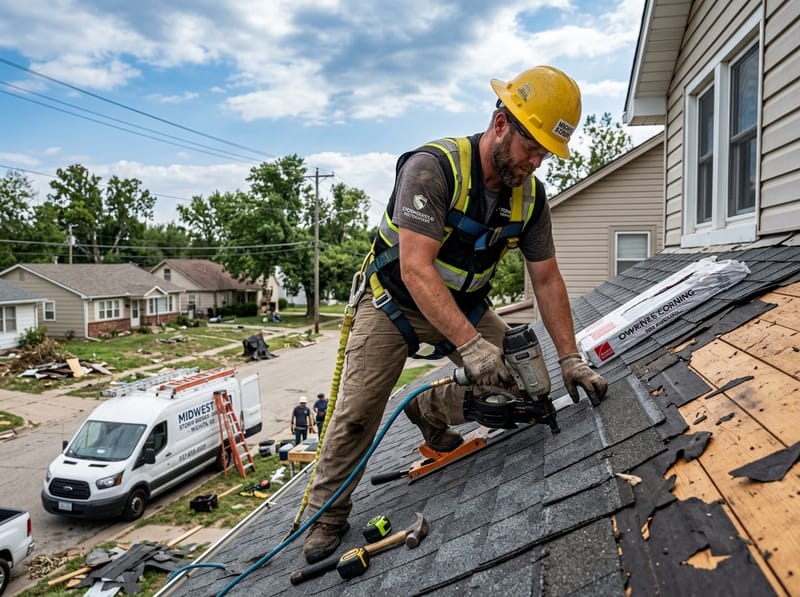
What This Service Involves
Storm damage repair in Wichita means fixing the exterior parts of your home that were hit by hail, wind, or flying debris. For siding homes, that usually includes cracked vinyl panels, loose sections, missing trim, split corners, dents, and areas where moisture could work its way behind the surface.
When you call for storm damage repair in Wichita, the goal is to stop the damage from spreading and restore the outside of your home as quickly as possible. A responsive repair visit usually starts with a close inspection of the affected walls, soffits, fascia, and trim so the damaged areas can be mapped out clearly. From there, the damaged pieces are removed or reset, the wall underneath is checked for hidden issues, and replacement materials are matched to your existing exterior as closely as possible.
This is not just a cosmetic touch-up. Good storm damage repair protects your home from leaks, loose edges, pests, and future blow-offs during the next round of wind. If you want the job done quickly, the right repair plan focuses on both the visible damage and the parts you cannot see from the street.
How the repair process usually works
- Inspection: The damaged siding and trim are examined carefully so the repair plan matches the storm impact.
- Material matching: Replacement pieces are selected to blend with your current siding style and color as closely as possible.
- Removal and reset: Broken or loose parts are taken out, then properly reinstalled or replaced.
- Protection check: The wall surface and surrounding details are checked so hidden moisture problems do not get missed.
- Cleanup: The work area is cleared so your home looks neat when the repair is finished.
For homeowners who want storm damage repair in Wichita done fast, the best outcome is a repair that looks right, holds up well, and helps you avoid bigger problems later.
When You Need This Service
You need storm damage repair in Wichita when your siding or exterior trim shows clear signs that a storm has affected the home. Some damage is obvious right away, while other issues show up later after the weather has passed and the house starts reacting to the impact.
Common signs include panels that are cracked, lifted, bowed, or missing, along with corner pieces that look split or pulled away. You may also notice fresh dents, chipped edges, rattling sections in the wind, or small gaps where parts used to sit tightly together. If your home had hail, strong straight-line wind, or tree debris hit the walls, it is smart to have the exterior checked even when the damage looks minor from the ground.
Another reason to act quickly is moisture. If a storm opens a gap behind the siding, rain can move into places that are not meant to stay wet. That can lead to soft spots, hidden damage, or staining around the affected area. A quick repair visit helps you get ahead of those issues before they grow into something harder to fix.
Homeowners in Wichita often call for storm damage repair when they want a same-day or rapid response after a weather event. That speed matters because fast repairs help protect the home, reduce stress, and get the exterior back in shape before the damage gets worse.
Why Problems Happen
Storm damage happens because exterior siding and trim take the full force of Kansas weather. Wichita homes often face hail, strong winds, blowing rain, and sudden changes in conditions that push materials beyond what they normally handle. Vinyl siding can flex, but repeated impact or a strong enough hit can still crack, dent, loosen, or break it.
Wind is a common cause because it can pull on edges and seams, especially if a piece was already loosened by age or a previous impact. Hail can leave marks or fractures that are small at first and more noticeable later. Flying branches, gravel, and other debris can also strike the side of the house and damage both siding and trim in a single storm.
Sometimes the problem is not the storm alone. A home with an older installation, worn fasteners, or prior repairs may be more vulnerable when severe weather arrives. In those cases, storm damage repair in Wichita may need to address both the recent impact and the weak spots that allowed the damage to spread.
Understanding the cause helps you choose the right fix. If the damage was caused by impact, the repair should focus on replacing or resetting the affected sections. If wind pulled pieces loose, the repair should also tighten the system so the same area is less likely to fail again.
What Affects Cost
The cost of storm damage repair in Wichita depends on the amount of damage, where it is located, and how much matching work is needed. A small repair on an easy-to-reach wall is usually simpler than damage that runs across several sides of the house or affects trim details around corners and roof lines.
One major factor is the condition of the existing siding. If the surrounding panels are still in good shape, the repair can stay focused and efficient. If the storm exposed hidden damage, warped material, or moisture issues, the work may need to go deeper before the surface is repaired. That extra checking helps make sure the repair lasts.
Material matching also affects the scope of the job. If your siding color or profile is still easy to match, the repair can move faster. If the product has faded over time or the original style is harder to find, extra care may be needed to blend the repaired area with the rest of the home.
Access matters too. Repairs on a single-story wall may move faster than repairs on higher sections or tight spots around porches, gables, and utility areas. Weather can also influence timing because quick response is easier when conditions allow safe, dry work. The main thing homeowners should know is that storm damage repair in Wichita is usually easiest and most efficient when it starts early, before the damage spreads or another storm hits.
Repair vs. Replacement
In many cases, storm damage repair is the right choice when the affected area is limited and the rest of the siding is still in solid shape. If only a few panels are cracked or a small section of trim has come loose, repair is often the fastest way to protect the home and keep the exterior looking consistent.
Replacement becomes the better option when the damage is widespread, the siding has repeated impact marks, or the material has reached a point where patching would leave the wall looking uneven. If a storm exposed larger problems behind the siding, replacing a section may be the cleaner and more reliable solution.
For Wichita homeowners, the right answer usually comes from a close inspection of the full affected area, not just the most visible damage. A good repair plan weighs appearance, durability, and how well the finished work will stand up to the next storm. If repair can restore the area cleanly, that is often the quickest path. If replacement will solve the problem more completely, it may save you time and worry later.
The best approach is the one that protects your home and gets the exterior back to a strong, finished look without unnecessary work. That is why storm damage repair in Wichita should always start with a careful evaluation of the siding, trim, and the wall behind them.
How We Help You Get It Done Quickly
When you want same-day service or rapid response, the process should feel simple from the start. You reach out, the damaged areas are reviewed, and the work is organized so you know what needs attention and how the repair will move forward. Clear communication matters because storm damage is stressful enough without having to guess what happens next.
Fast repairs still need to be careful repairs. The goal is to move quickly without skipping the steps that matter, such as checking for hidden damage, matching materials, and securing each repaired section so it stays tight. That balance helps you get your home back in shape faster while still protecting the result.
For homeowners in Wichita, quick turnaround can make a big difference after severe weather. It helps reduce the chance of leaks, keeps the damage from spreading, and gets your home looking cared for again sooner. If you are dealing with storm damage repair in Wichita, the smartest next step is to act quickly and address the damaged siding before the problem grows.
Why Homeowners Call Siding Pros Wichita
Siding Pros Wichita works with homeowners who want storm damage repair handled with speed, care, and attention to detail. The focus is on restoring damaged siding and trim in a way that fits the home, protects the structure, and helps the exterior look right again.
Homeowners often want a team that can respond quickly, explain the damage clearly, and keep the repair process moving without extra hassle. That is especially important after hail or wind hits a Wichita home and you need help deciding whether the damage calls for a small repair or a larger fix.
If your siding was hit in a recent storm, the best time to address it is now. A prompt repair can help you avoid more damage, reduce worry, and bring your home back to a clean, strong condition faster.
Storm Damage Repair FAQ
How do I know if storm damage needs immediate repair? If siding is cracked, loose, missing, or open to water, it should be addressed quickly. Even small gaps can let moisture in and create bigger problems after the next rain.
Can storm damage be repaired without replacing all of my siding? Yes, many storm-related issues can be repaired in targeted sections. If the rest of the siding is still in good shape, a focused repair is often the fastest and most practical option.
What should I do after a storm before the repair visit? Take clear photos of the damage if it is safe to do so and avoid pulling at loose pieces. That helps document the issue and keeps the area from getting worse before the repair starts.
How long does storm damage repair usually take? Timing depends on how much damage the home has and whether matching materials are easy to find. Smaller repairs can move quickly, while larger or more complex damage may need more time to complete correctly.
Why should I act fast after hail or wind damage? Fast action helps prevent water intrusion, stop further loosening, and reduce the chance that the damage spreads. It also makes it easier to restore your home before the next storm rolls through.
Get a Free Quote
Interested in storm damage repair? Fill out the form and we'll get back to you promptly.
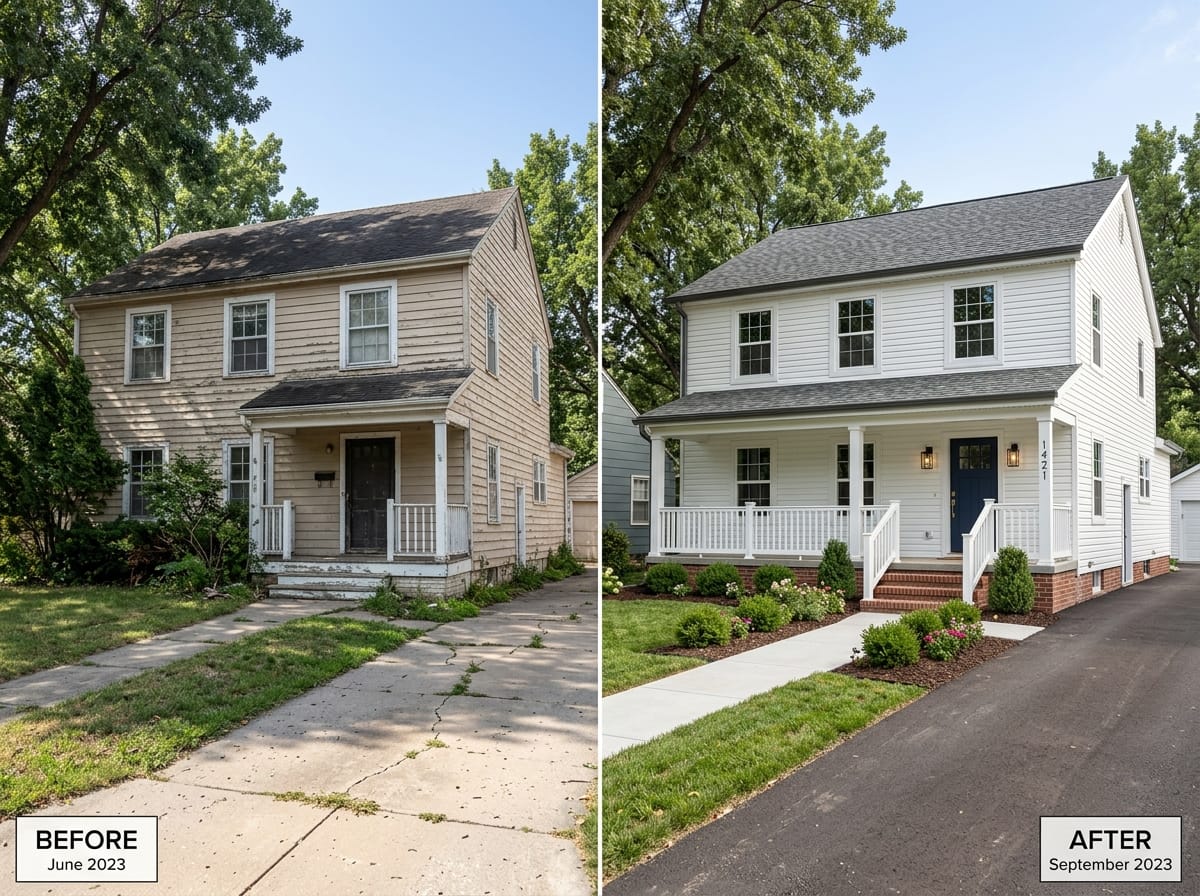
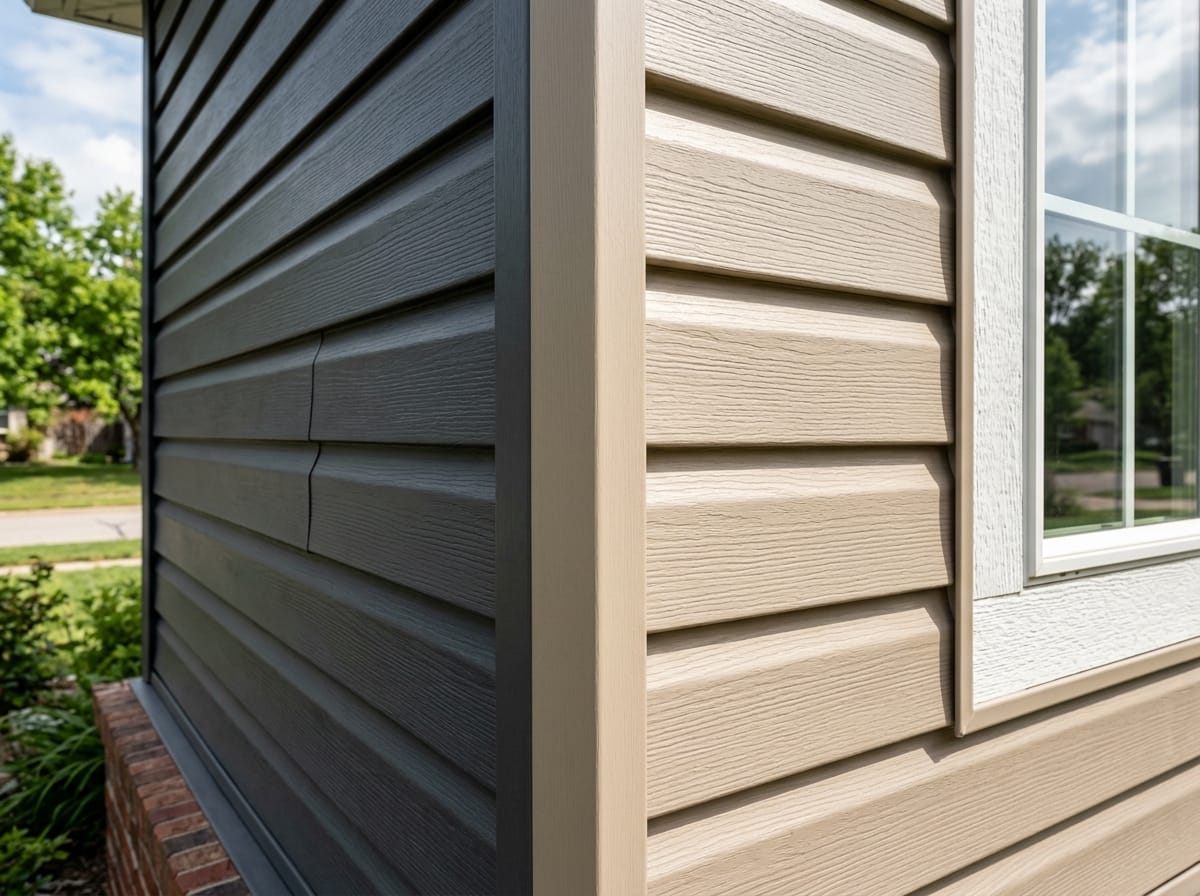
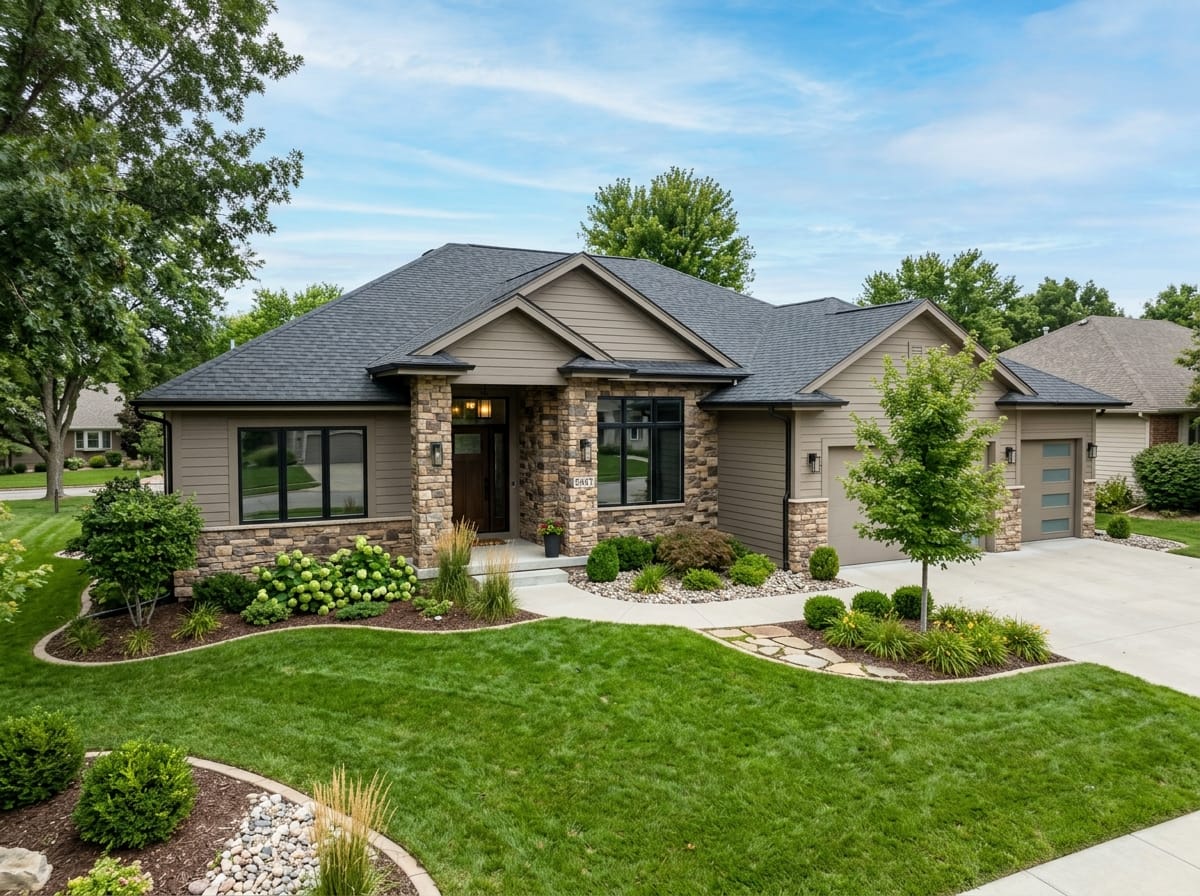
Service Gallery
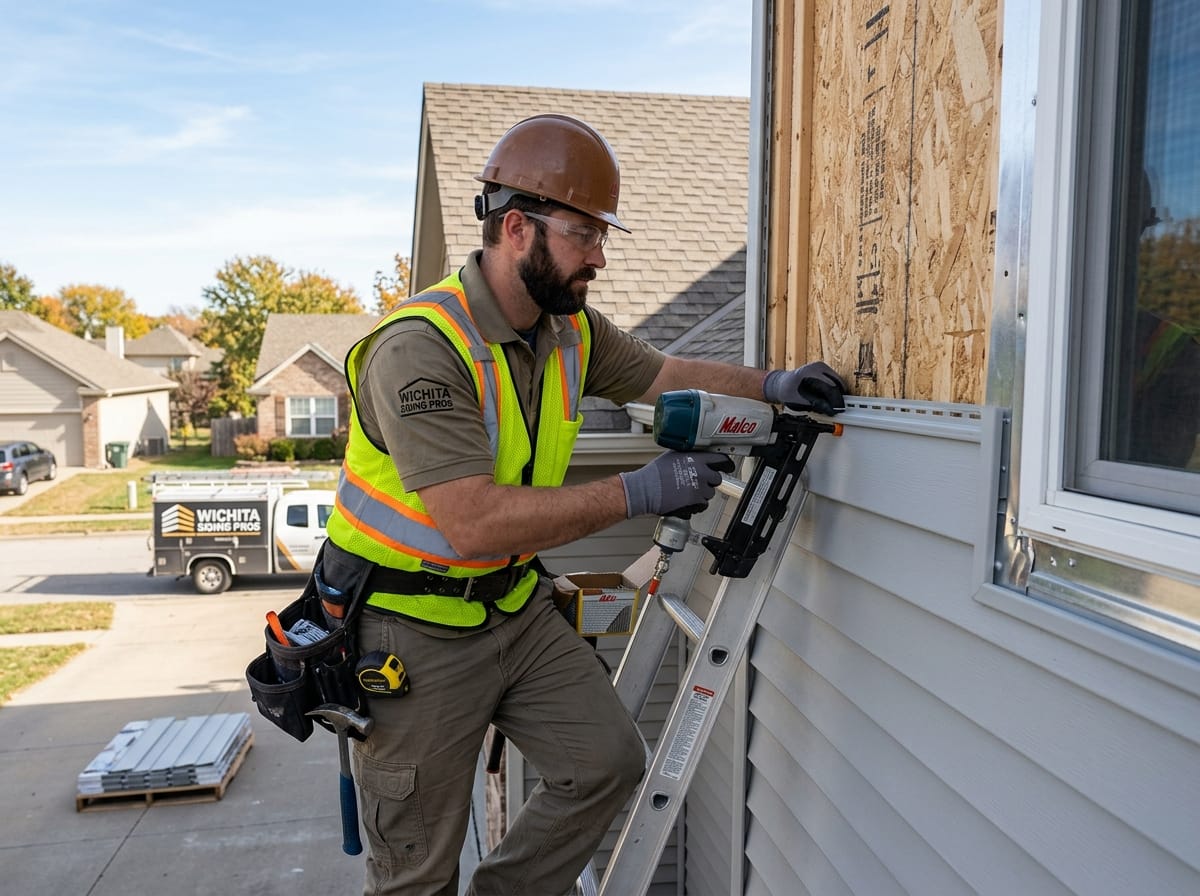
Trusted Local Experts
Ready for Storm Damage Repair?
Contact Siding Pros Wichita today and let us help you with your storm damage repair needs.
Other Services We Offer
-
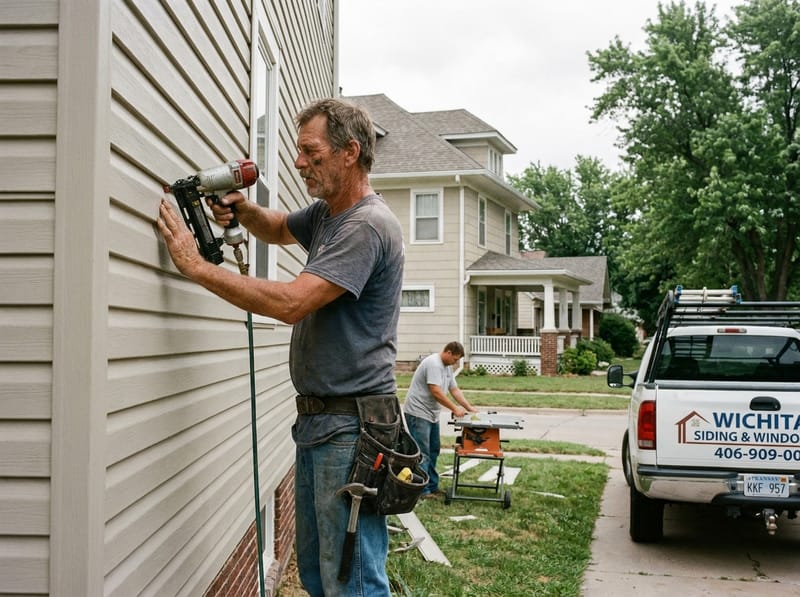
Vinyl Siding Installation
Vinyl siding installation for Wichita homes that need a fresh exterior, stronger weather protection, and better curb appeal. We offer quick scheduling, rapid response, and a clean, efficient finish.
Learn more -
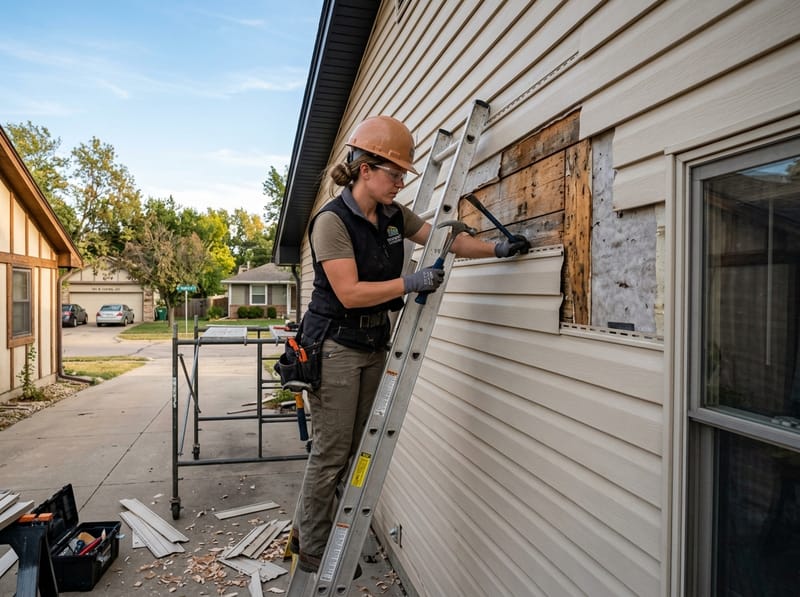
Siding Repair
Fast vinyl siding repair in Wichita for cracks, loose panels, and storm damage. Get quick help that protects your home and refreshes curb appeal.
Learn more -
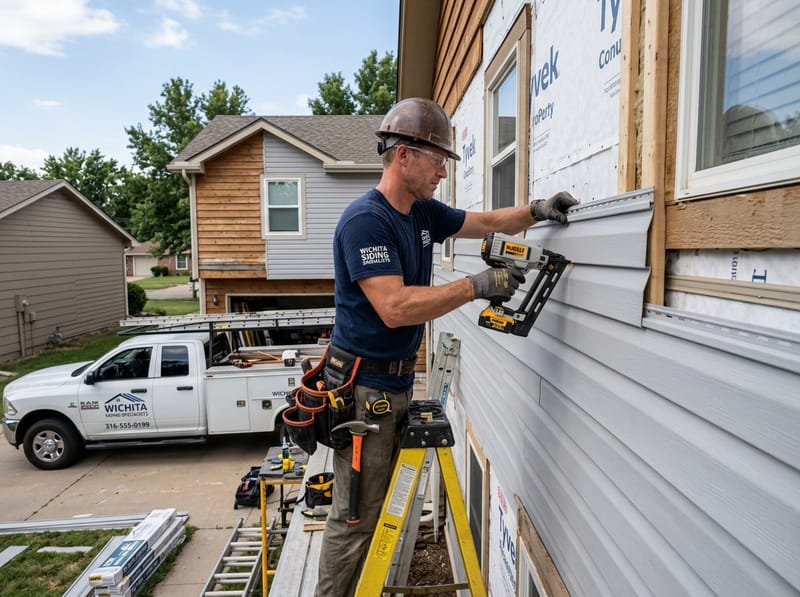
Siding Replacement
Need siding replacement in Wichita? Siding Pros Wichita handles damaged, aging, and storm-hit siding with a fast, clean process that protects your home and refreshes curb appeal.
Learn more -
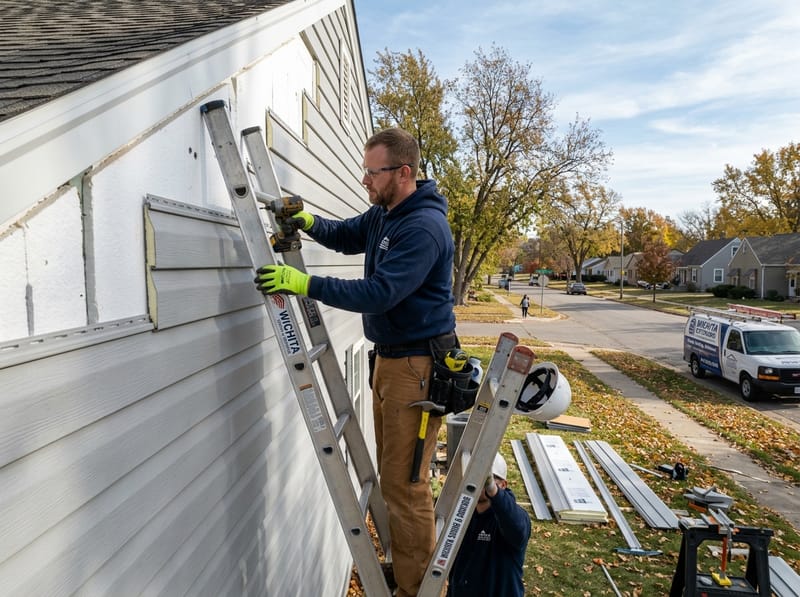
Insulated Siding
Insulated siding for Wichita homes that need better comfort, a cleaner exterior, and a faster path to lower maintenance. Siding Pros Wichita provides rapid response and same-day service when possible.
Learn more -
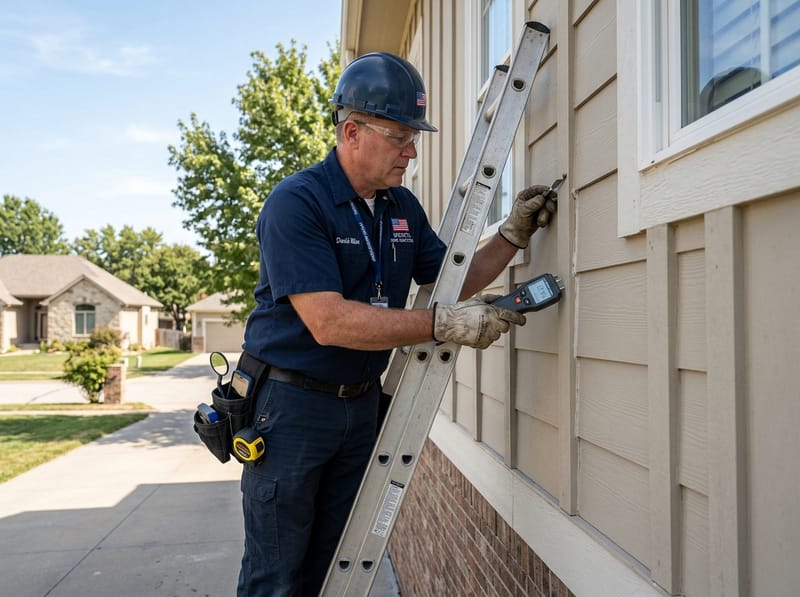
Siding Inspection
Get a fast siding inspection in Wichita, KS for vinyl siding that looks loose, warped, cracked, or storm-damaged. We help you spot issues early and move quickly on the right fix.
Learn more
Free estimate
Request service in Wichita
Share the project location, the surface or repair concern, and the best way to reach you. The request goes directly to the local service inbox for follow-up.